What may be happening?
Watch where water first appears, whether it crosses the surface and how long it remains. A surface inlet may help a defined low point; grading may reopen a blocked route; a French drain may suit water moving through soil.
Do not diagnose the property from one puddle or photograph. Note the timing, direction of flow, nearby downspouts and recent changes to landscaping or paving.
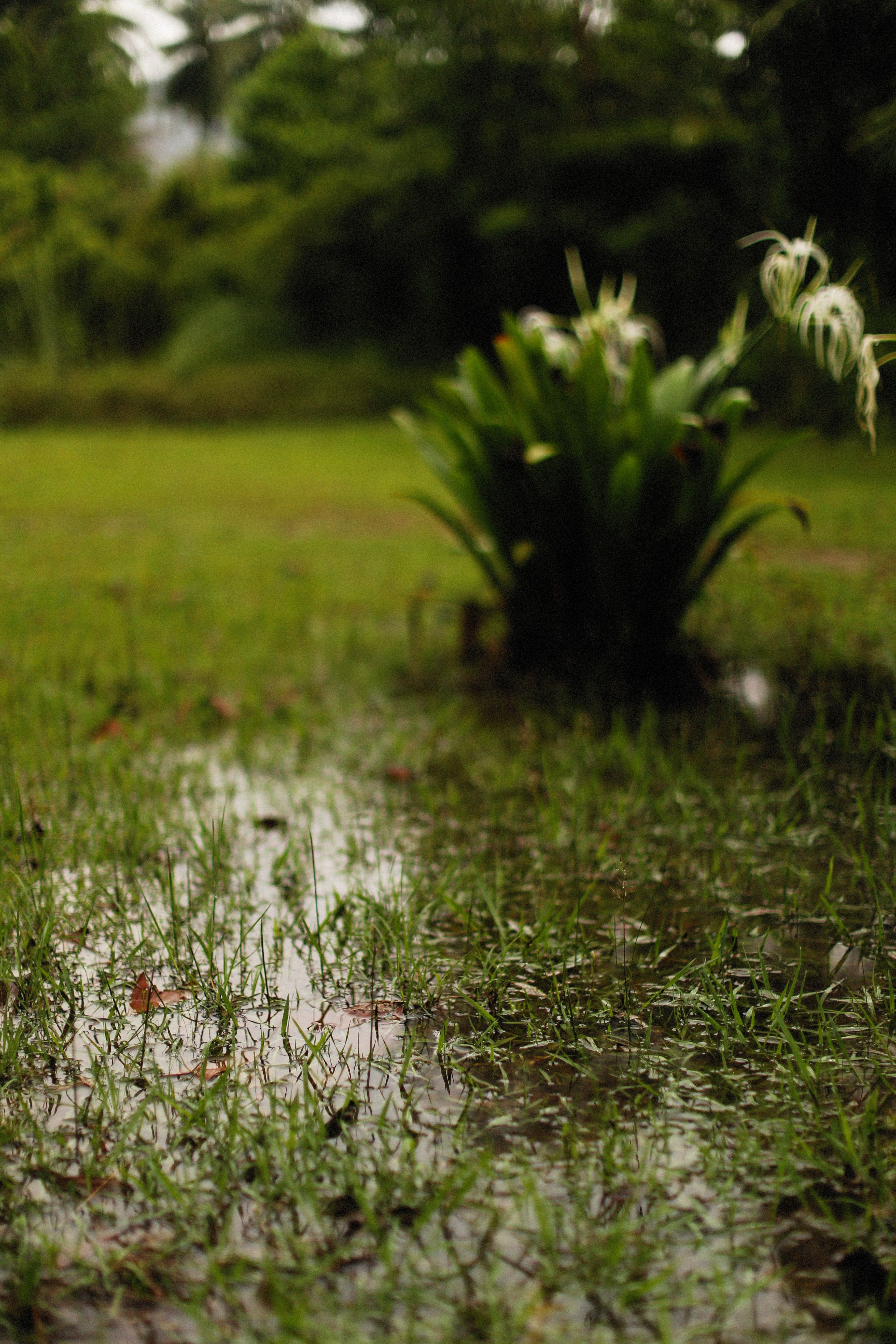
Why does it keep happening?
Water follows the available grade until it reaches a low point or obstruction. Slow-draining soil can keep an area wet after surface runoff has stopped. Existing pipes or outlets can also be blocked, damaged or set at the wrong elevation.
Which solutions may help?
Yard Drainage
Standing water, soggy ground, runoff and recurring low spots.
French Drain Installation
Wet soil, a soggy strip of lawn and water moving below the surface.
Catch Basin Installation
Surface water collecting in a defined low spot.
When should the property be assessed?
Arrange an assessment when the problem returns after rain, affects normal yard use, causes erosion or collects close to a structure. The assessment should connect the visible symptom to a source, route and outlet.