Problems this service addresses
Standing water, soggy ground, runoff and recurring low spots can have different causes. The right solution depends on the slope, soil, runoff source and available discharge location.
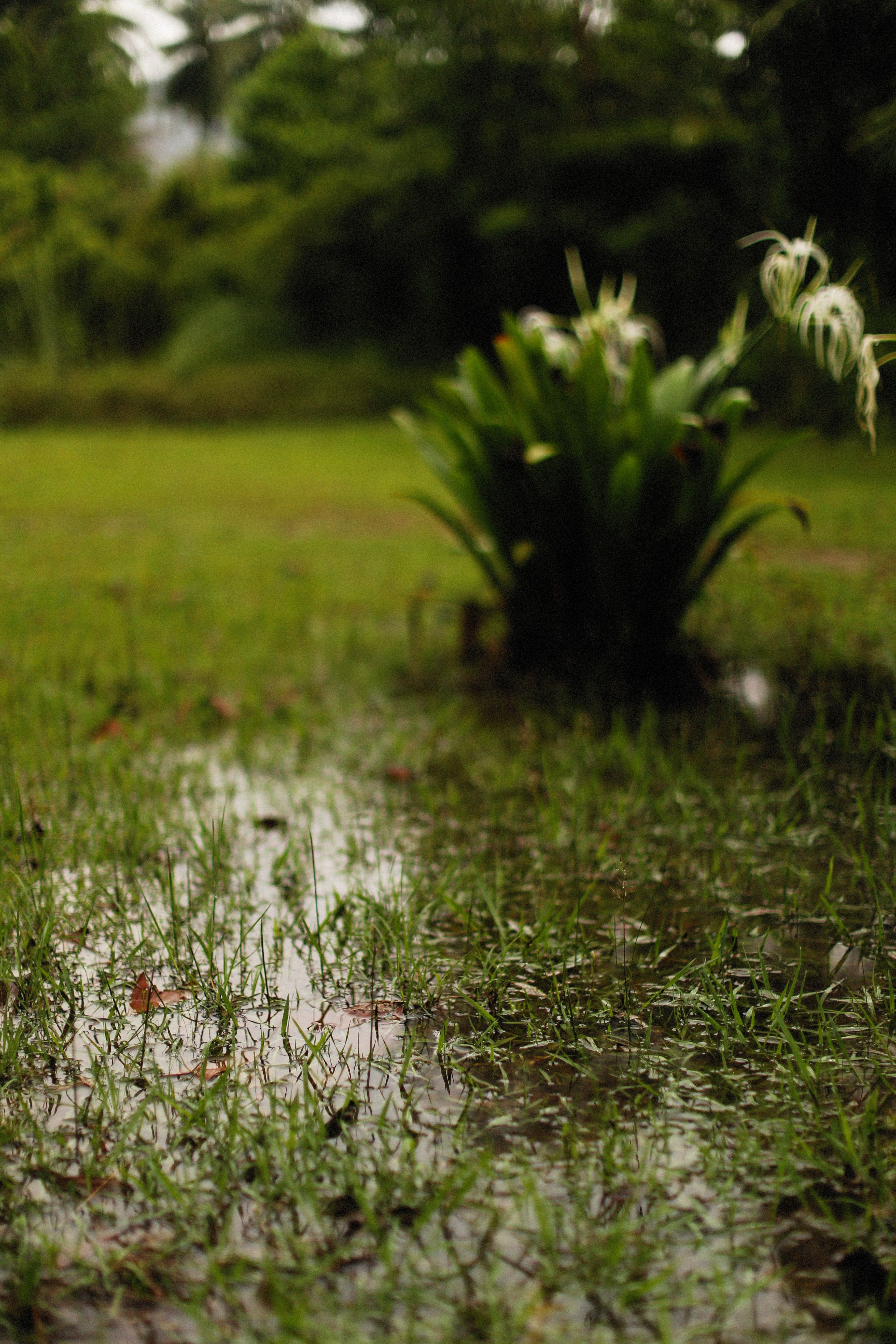
How yard drainage works
The assessment traces water from its source to a workable discharge point. Ground elevations, roof runoff, paved surfaces, soil, access and existing drains all shape the plan.
When it may be appropriate
This service is the broad starting point when the cause is unclear or several sources feed the same wet area.
What affects cost?
Cost depends on the number of problem areas, drainage route, excavation, outlet work and surface restoration.
A useful quote identifies the collection area, route, outlet, excavation, cleanup and restoration so totals can be compared on the same scope.
Yard Drainage FAQs
What does a yard drainage assessment look for?
It looks for the water source, the path it takes, low points and possible discharge locations. The right solution depends on the slope, soil, runoff source and available discharge location.
Do all wet yards need a French drain?
No. Surface runoff, roof water and poor grading may need different solutions.
Can several drainage methods be combined?
Yes. A plan may use separate components when each one has a clear purpose.