Problems this service addresses
Low areas, poor slopes and runoff traveling toward structures or hard surfaces can have different causes. The right solution depends on the slope, soil, runoff source and available discharge location.
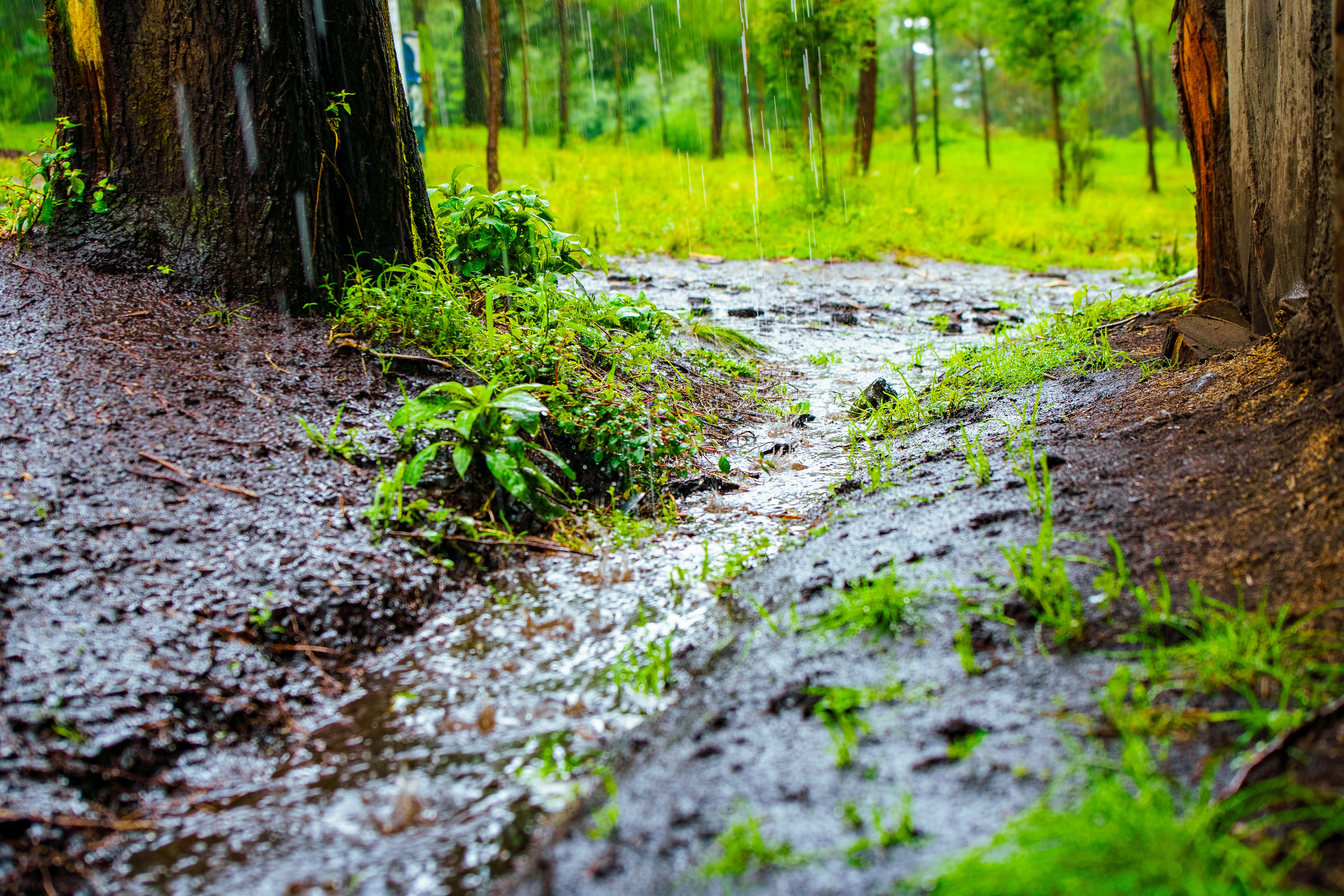
How yard grading works
Grading work begins with elevations. Soil is removed, added or redistributed to create the planned route, then the disturbed area is stabilized and restored.
When it may be appropriate
Grading may help when the shape of the ground is the main reason water stalls or travels in the wrong direction. It does not automatically solve subsurface saturation.
What affects cost?
The area to reshape, soil movement, hauling, equipment access, roots, hardscape edges and lawn restoration determine the scope.
A useful quote identifies the collection area, route, outlet, excavation, cleanup and restoration so totals can be compared on the same scope.
Yard Grading FAQs
Can I just fill a low spot?
Only after checking where the displaced water will go. Filling one depression can create another.
Does grading require new grass?
Disturbed soil normally needs stabilization. The proposal should identify seed, sod or another finish.
Will grading replace drainage pipe?
Sometimes. Other sites need grading and collection components together.