Problems this service addresses
Water crossing, collecting beside or running down a driveway can have different causes. The right solution depends on the slope, soil, runoff source and available discharge location.
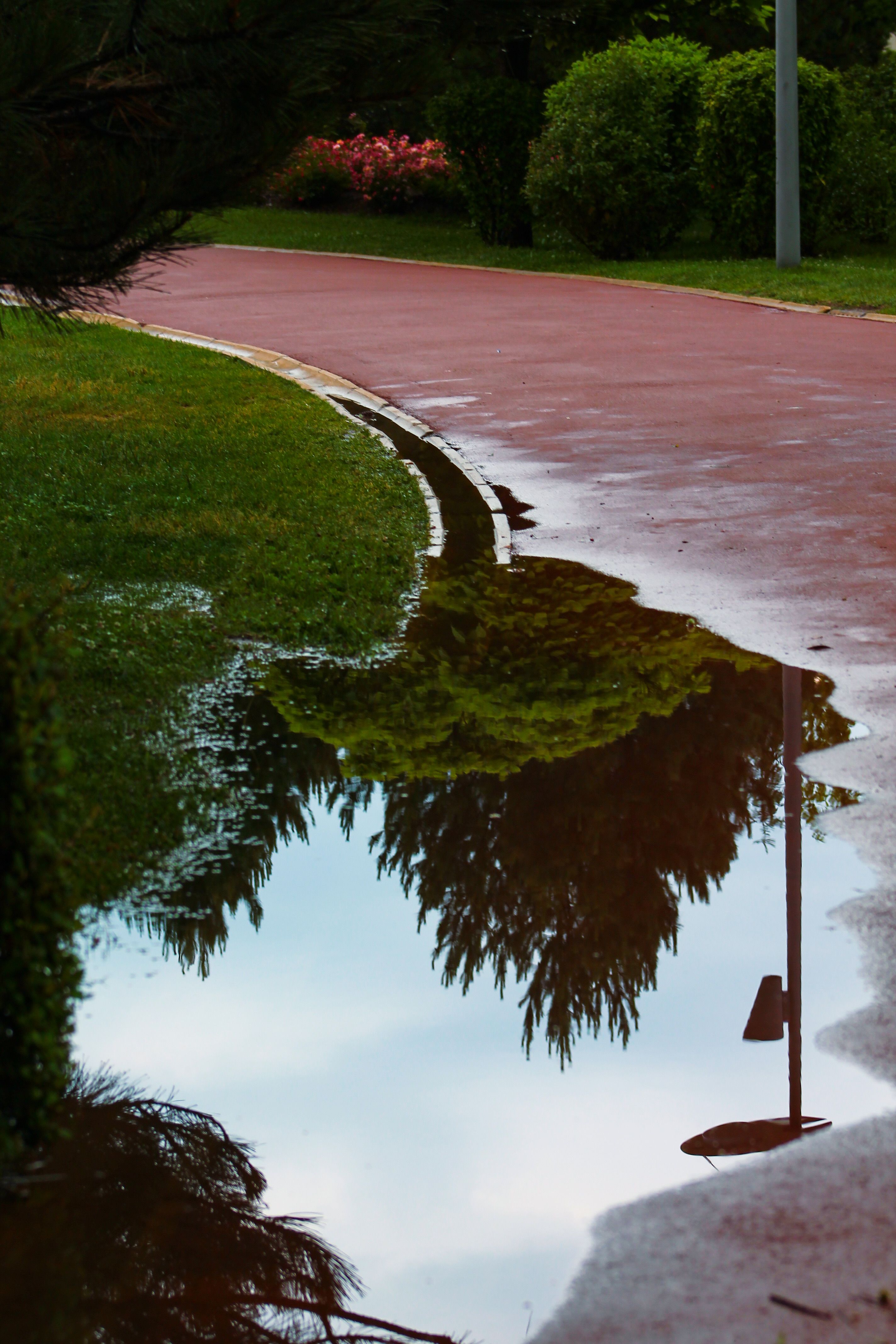
How driveway drainage works
The plan traces water before it reaches the driveway and checks the low edge where it leaves. Collection, pipe routing and pavement restoration are matched to vehicle use and flow.
When it may be appropriate
Driveway drainage is useful when paving concentrates runoff or blocks its former route. The fix may begin uphill rather than at the deepest puddle.
What affects cost?
Drain length, vehicle-rated components, cutting and replacing pavement, pipe routing and outlet work drive cost.
A useful quote identifies the collection area, route, outlet, excavation, cleanup and restoration so totals can be compared on the same scope.
Driveway Drainage FAQs
Is a channel drain always best?
No. The right approach depends on where runoff begins and whether it can be redirected before reaching the pavement.
Can a drain cross a driveway?
Yes, with components and restoration appropriate for vehicle loads.
Why does gravel wash out?
Concentrated runoff can move loose material. The source and route need attention.